You can get used to headlights that don't shine as well. The problem is, the road doesn't adapt to that habit. At night, losing even a few meters of visibility quickly cuts into your reaction margin.
You don't need a complicated chart to understand what's at stake. Just a couple of numbers will put things in perspective.
At 50 km/h, things are already moving fast
At 50 km/h, you're covering about 14 meters per second. At 90 km/h, that's roughly 25 meters per second. That means a drop in how far your headlights reach instantly translates into lost reaction time.
If your headlights don't illuminate as far as they used to—even by just a car length or two—that's not an abstract detail. It's less time to spot a person, an animal, a cyclist, or an obstacle in the road.
Light isn't coming out the way it should
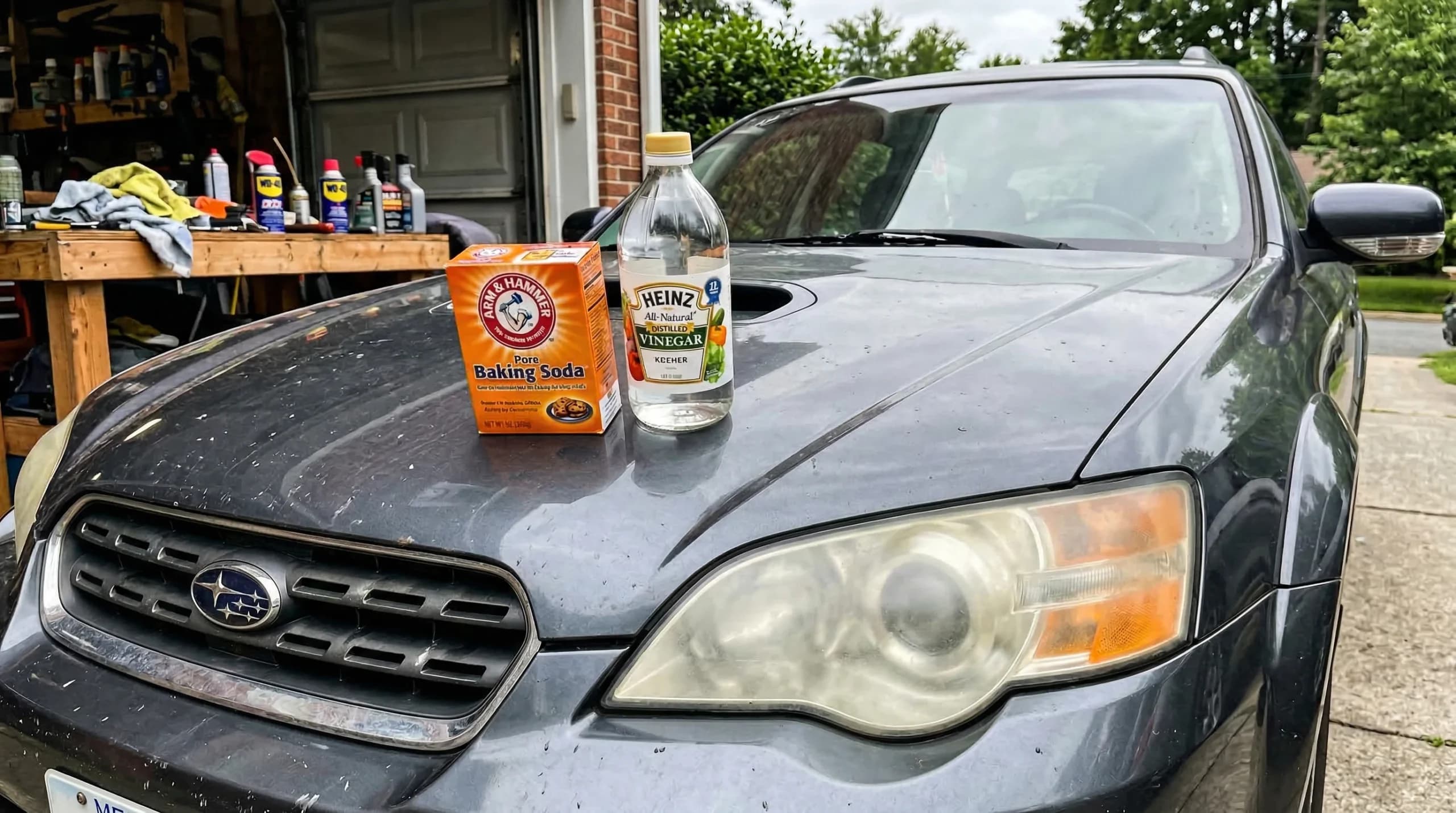
A cloudy headlight doesn't block everything, but it lets light escape less cleanly and less effectively. The beam loses clarity, reach, and precision. The result: you see less far and sometimes less clearly.
This is exactly why the issue goes way beyond how your vehicle looks. If you want to dig deeper into this, check out: Cloudy headlights and road safety: the risks you might not know about
Night already stacks the deck against you
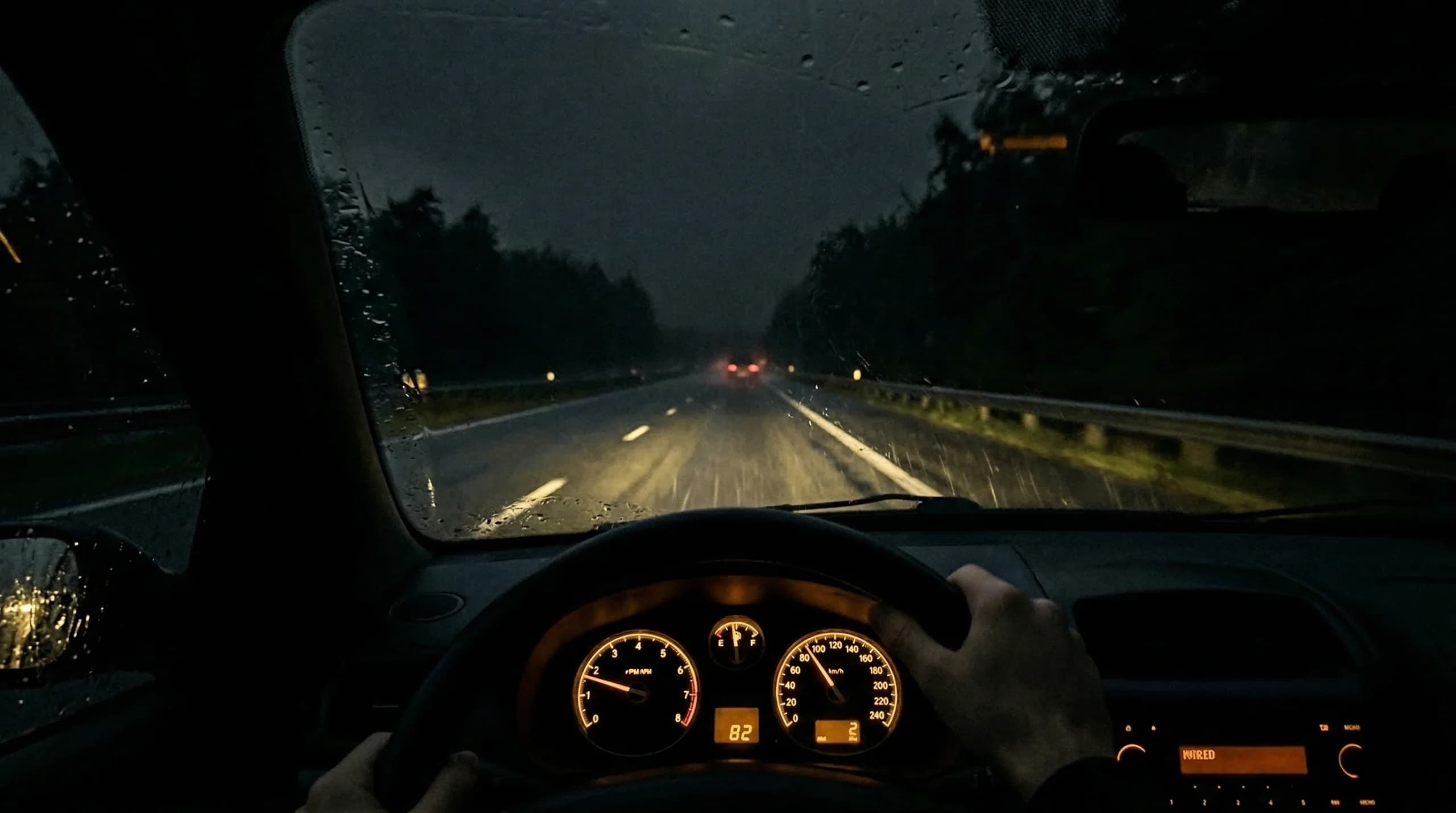
In the evening, your eyes have to work harder. Contrast is lower, shapes are harder to read, rain shows up later, and anything in dark clothing stands out less. If your headlights are weakened on top of that, driving becomes more demanding without you always realizing it.
And not all damaged headlights affect you the same way. A heavily scratched headlight and one that's mainly cloudy don't create the same problems. This article breaks down the difference: Scratched headlights vs cloudy headlights: they're not the same issue.
The real danger is getting used to it
What tricks a lot of drivers is habit. The change happens gradually. You compensate a bit by driving more tense, staring at the road harder, avoiding trips in the rain, without always connecting it to your headlights.
You end up treating something abnormal as normal. It's often only when you see clear headlights again that you realize the gap.
A few meters can make all the difference
On a dark road, gaining or losing a few meters matters. It doesn't look dramatic on paper, but behind the wheel, it changes how well you can read the road. And when something goes wrong suddenly, it's rarely the right moment to wish you'd done something sooner.
If your headlights have lost their clarity, book an appointment at leroidesphares.ca. You'll notice the difference first on the vehicle itself, but especially once night falls.