Electric and hybrid vehicles often have highly sophisticated headlights, with sleeker designs and more complex modules. This usually makes people think their restoration requires a completely different approach. In practice, the answer is simpler than that.
For the outer lens, we're almost always talking about the same material found on other vehicles: polycarbonate. The surface problem stays the same, and so does the restoration logic.
What Changes and What Doesn't
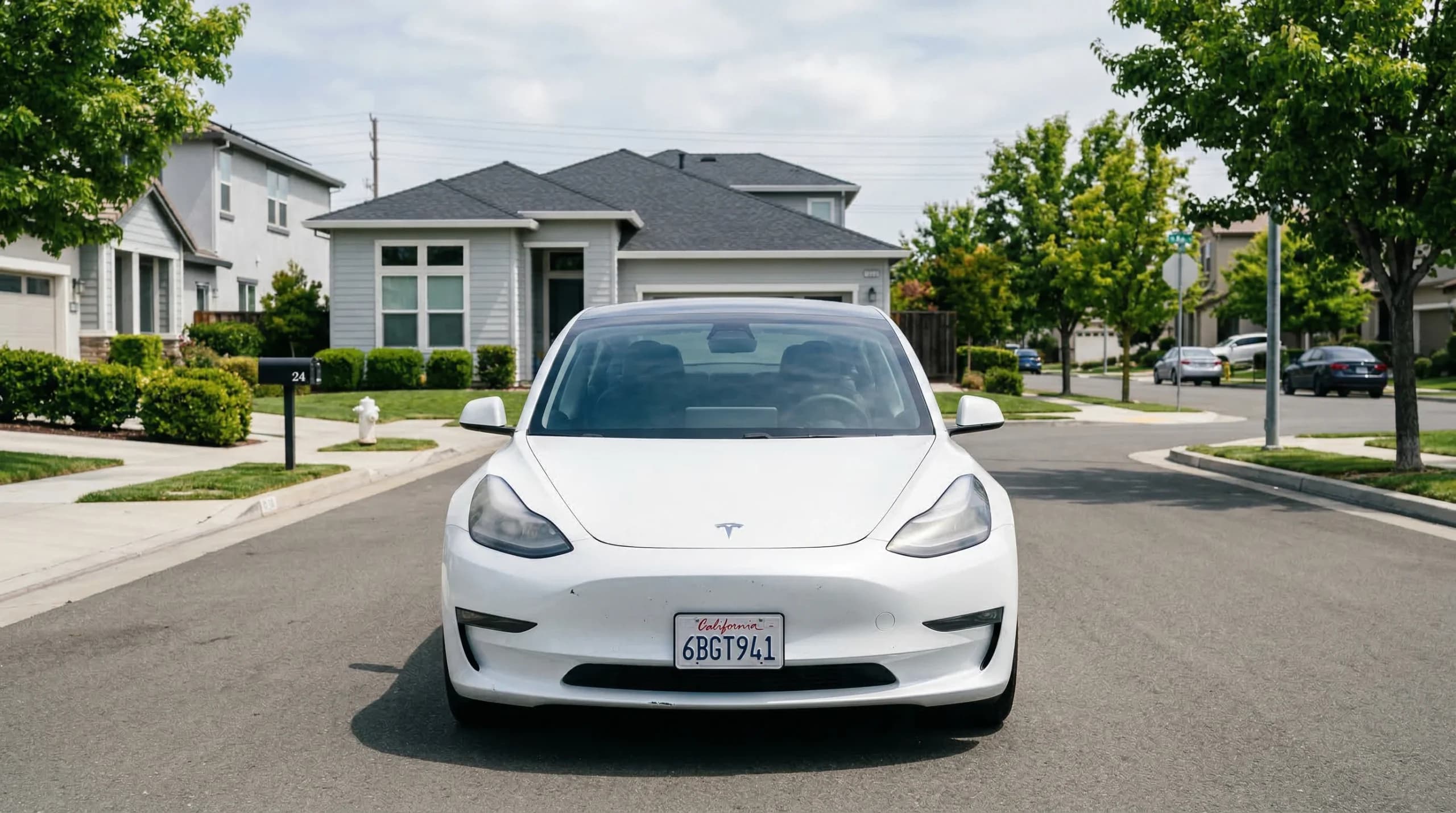
What doesn't change is the wear and tear on the transparent part of the headlight. Sun, salt, road debris, washing—it all eventually dulls the surface. A Tesla, a Prius, or a Hyundai Kona Electric aren't magically protected against this aging process.
What does change, however, is the value of the entire optical assembly. On many recent electric or hybrid models, the headlight includes LEDs, complex light signatures, and sometimes driver-assistance functions. When it's time to replace the whole unit, the bill climbs fast.
If you want to understand the bigger picture, this article explains why modern headlights yellow despite their more technical appearance: Why Polycarbonate Headlights Yellow Faster Than Glass.
The Outer Lens Remains the Real Issue
When you restore a headlight, you don't touch the electronic components inside. You work on the outer surface—the one that's lost its clarity. If the damage is on that surface, restoration makes complete sense, regardless of your vehicle's drivetrain.
In other words, whether a car is hybrid or 100% electric doesn't complicate the basic treatment. What matters is the condition of the plastic, not the type of battery under the floor.
Why Replacement Often Costs More
This is where the difference gets interesting. On these vehicles, replacing an entire headlight often costs way more than you'd expect. Not because the lens is different, but because the whole assembly is more elaborate.
In many cases, replacing a complete headlight for a simple surface-clarity problem means paying for components that still work perfectly fine. That's exactly what we compare in this article: Headlight Restoration vs. Replacement: Which Should You Choose?
Mobile Service Remains a Smart Option
On an electric or hybrid, mobile service is just as practical. The treatment happens on-site without tying up your vehicle any longer than necessary. You skip an unnecessary trip to the shop for a problem that's really just about the headlight's exterior.
For many owners, it's mainly a hassle-free way to solve the problem without disrupting their schedule. If you want to see how it works in practice, check out: Mobile Headlight Restoration Service: How Does It Work?
The Bottom Line
Yes, there are differences between gas, hybrid, and electric vehicles. But for a yellowed or cloudy lens, the logic stays the same: if the damage is on the surface, restoration can often solve it without touching anything else.
If your headlights have lost their clarity, book an appointment at leroidesphares.ca. The simplest approach is to have the headlight's actual condition assessed before you think about replacing the entire unit.