"Do I need to sand my headlights or just polish them?" That's a fair question. Because sanding freaks a lot of people out. The idea of running sandpaper over your car is intimidating. But sometimes it's necessary and sometimes it's not. Here's how to tell the difference.
When Sanding Is Necessary
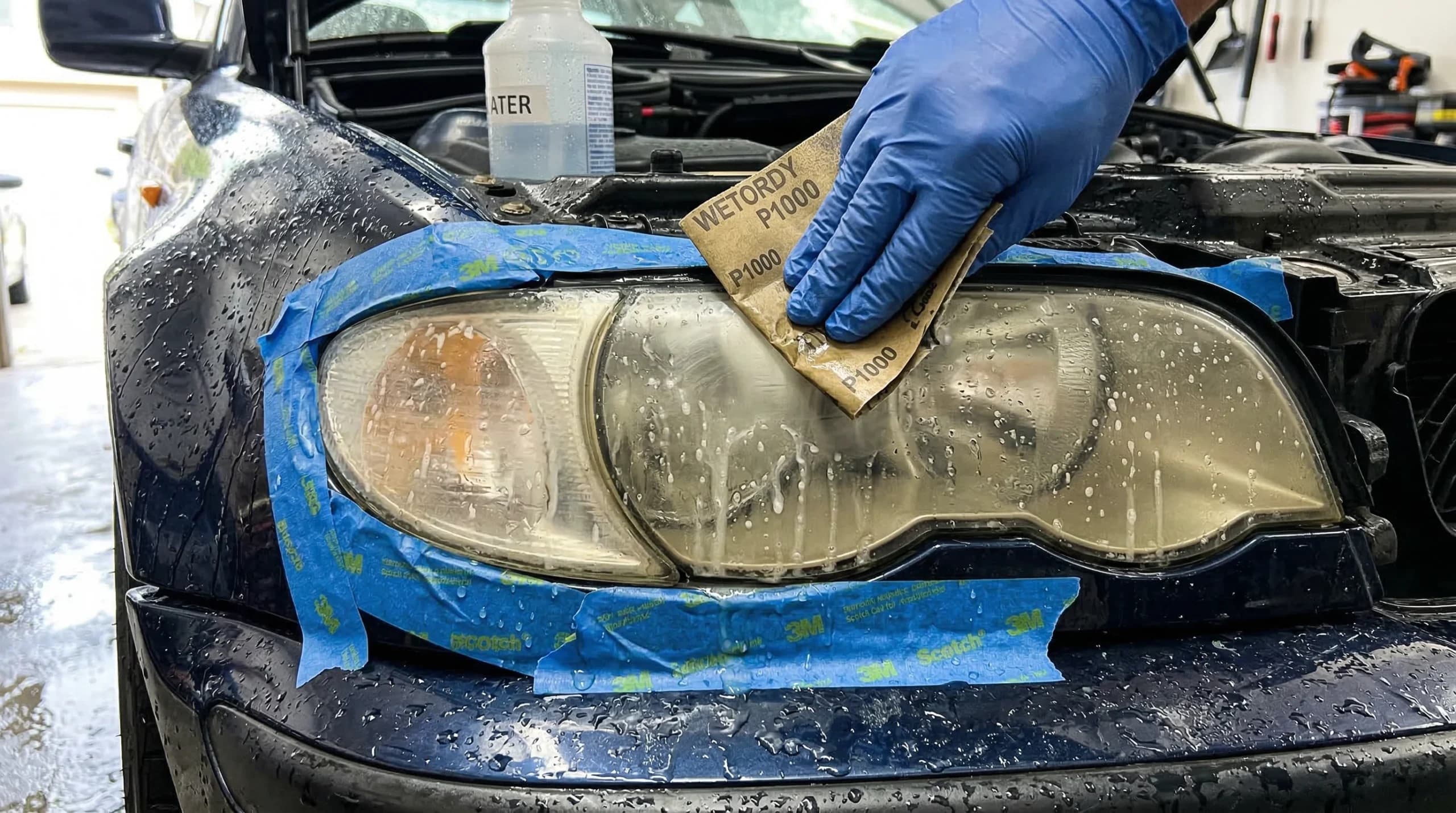
If your headlights are yellowed, cloudy, or hazy, sanding is necessary. Period. Yellowing is a chemical breakdown of the outer layer of polycarbonate. That layer needs to be removed physically to expose the clean plastic underneath. No chemical product is going to do that. You need abrasive.
If you run your finger over the headlight and it feels rough, if the plastic has lost its clarity, if light doesn't pass through as well at night, it's time to sand. We have a list of 5 signs it's time to restore your headlights to help you decide.
When Simple Polishing Is Enough
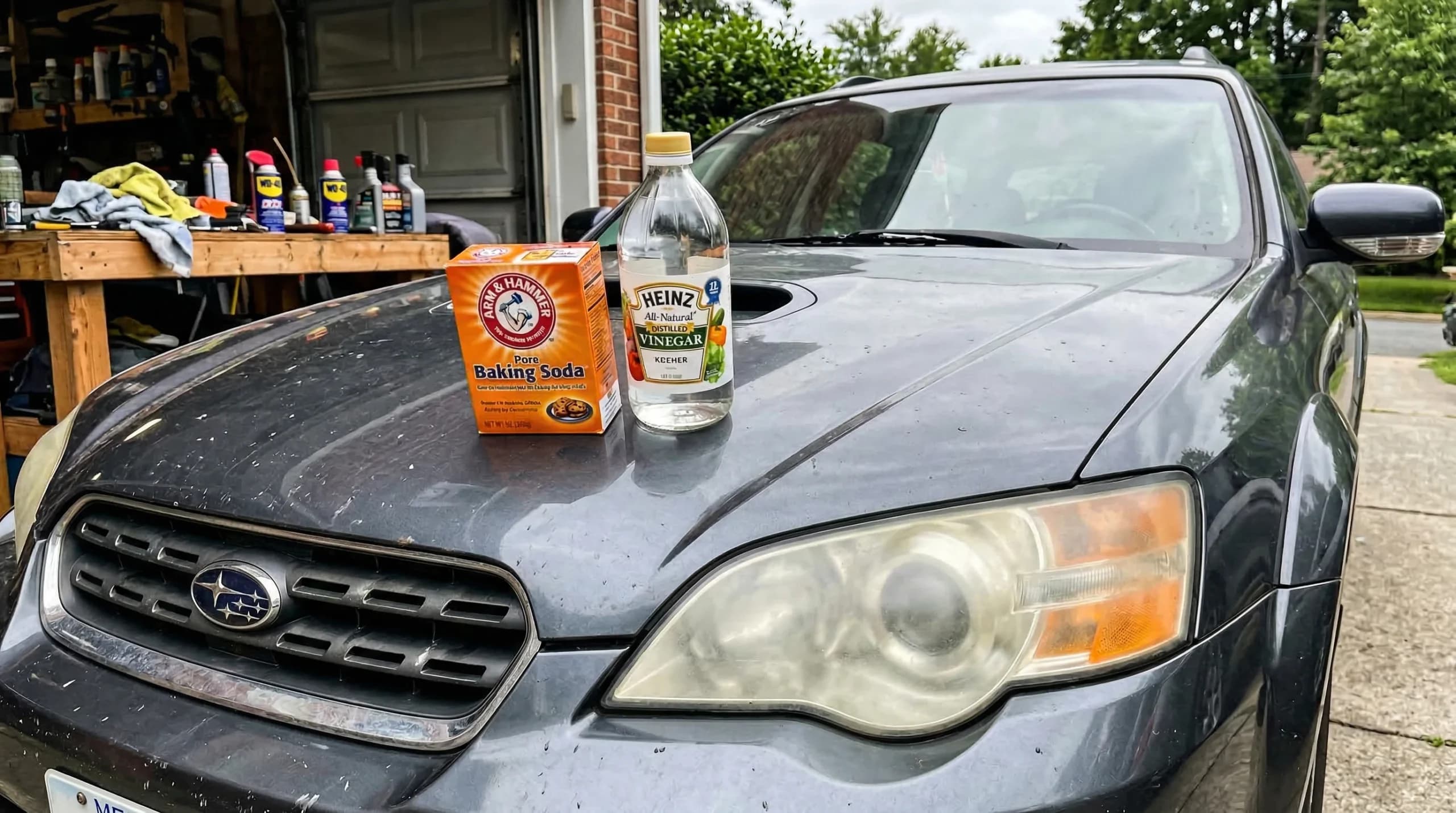
If your headlights are just slightly dull or have a thin layer of dirt that won't come off with washing, a good polish might be enough. We're talking about a light haze, not real yellowing. The difference is that polish removes a microscopic layer while sanding removes a measurable one.
The problem is that most people who think they need "just a polish" actually need sanding. When your headlights have gotten to the point where you're searching for solutions online, it's usually because polish alone won't cut it. We explain why in our article on the limits of polish.
Professional Sanding vs DIY Sanding
A professional will use 4-5 progressive grits, starting with a grit matched to the specific oxidation level of your headlights. They'll adjust pressure and speed in real time based on what the plastic is telling them. That's experience, not just technique.
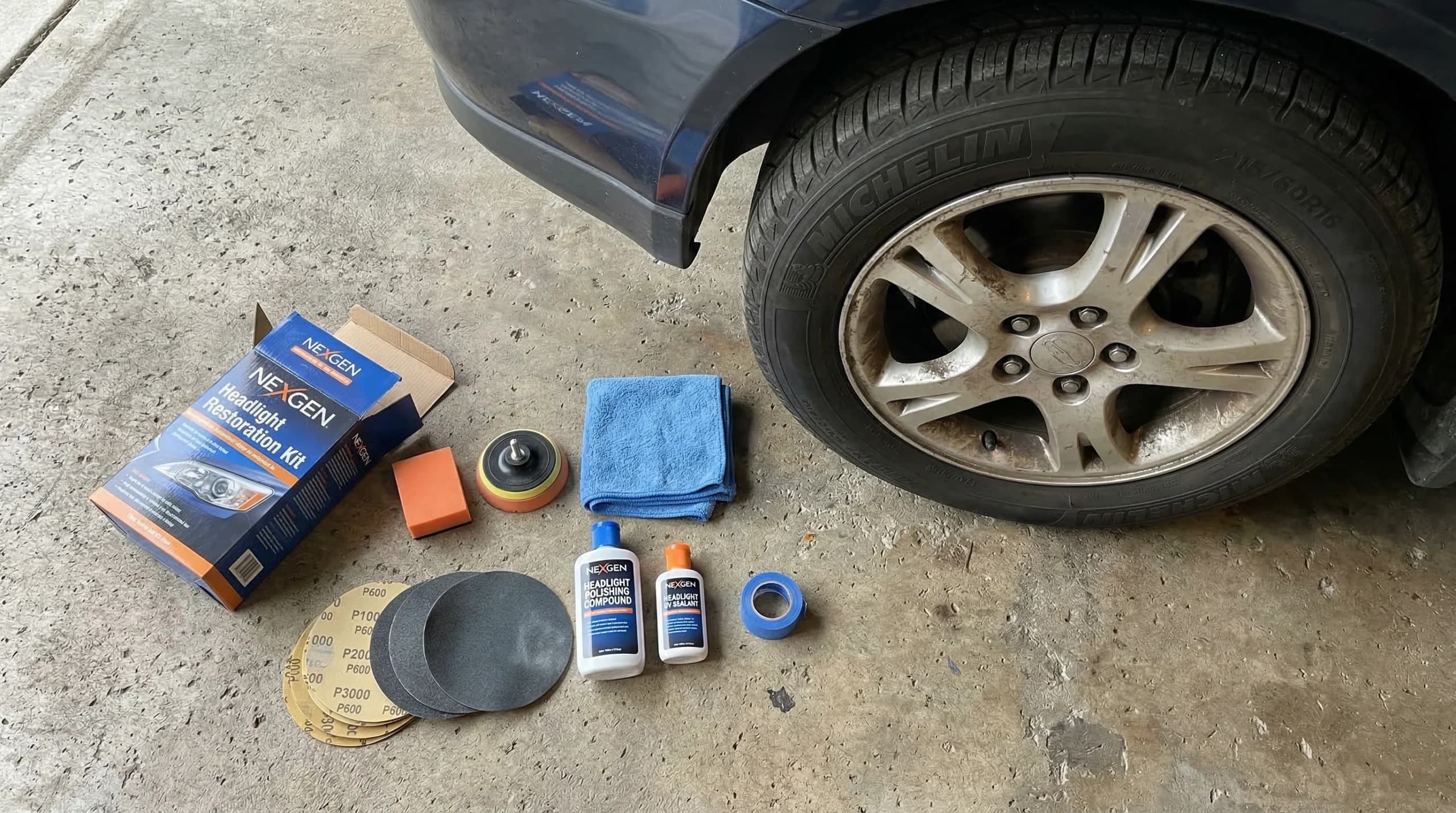
A home kit comes with 2-3 predetermined grits. It's the same kit whether your headlight is slightly dull or completely yellow. It works in both cases, but the results aren't equal. We compare both approaches in our article DIY vs Professional.
After Sanding: The Step You Can't Skip
Whether you sand it yourself or call a pro, protection after sanding is non-negotiable. Sanding exposes fresh plastic. Without protection, UV rays attack that new surface immediately. Yellowing starts all over again. Ceramic coating is your best bet to protect the results.
Not sure what your headlights need? Get in touch with us at leroidesphares.ca and we'll tell you exactly what's required.